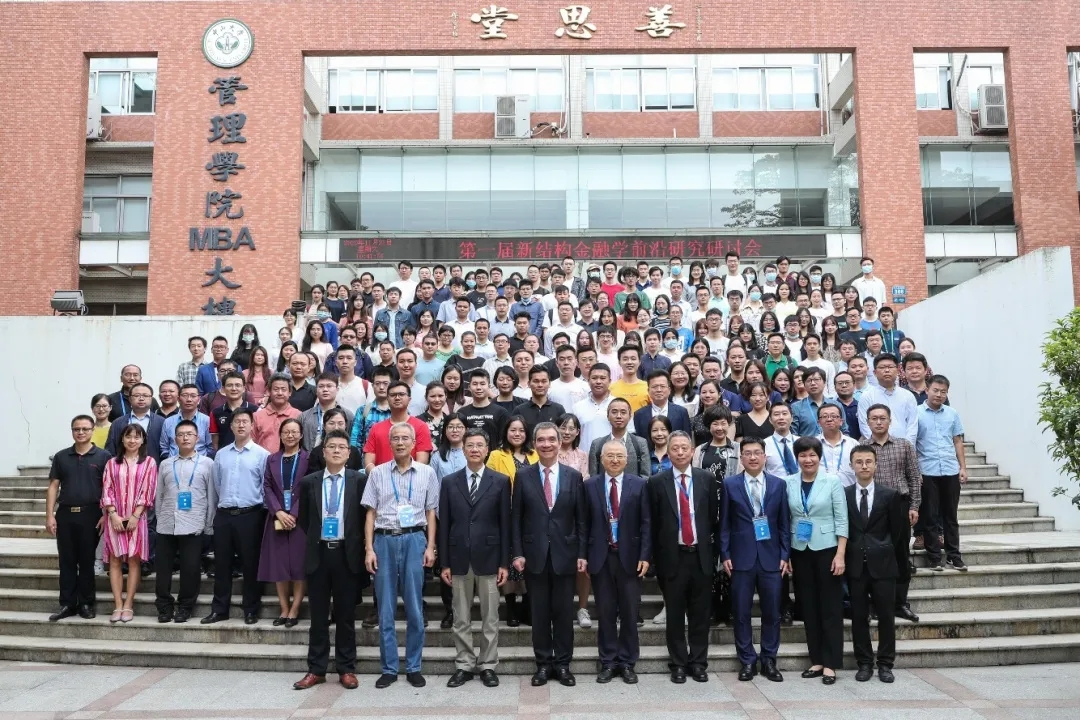
The First New Structure Finance Frontier Research Symposium Was Successfully Held in Our School
On the morning of November 21st, the First New Structure Finance Frontier Research Symposium was successfully held in the International Conference Hall of the School of Business, Sun Yat-Sen University. The conference was co-hosted by the National Governance Institute of Sun Yat-sen University, the School of Business, Sun Yat-sen University, and the Institute of New Structural Economics, Peking University, and was supported by the Economic Research Journal.
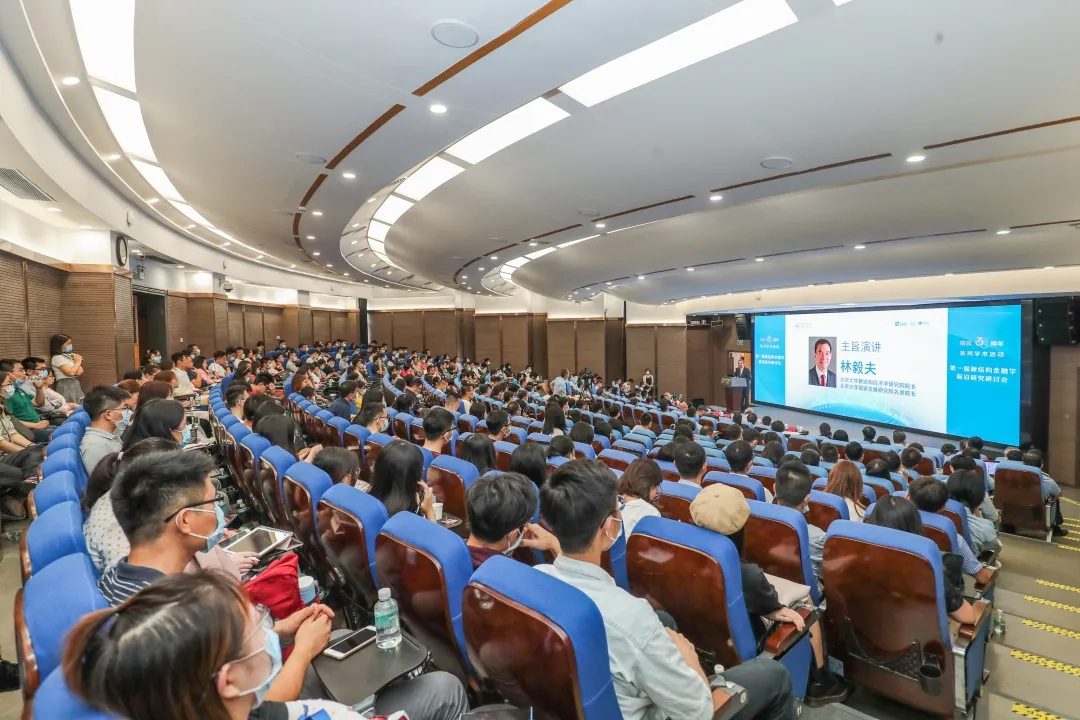
First, Professor Chen Chunsheng - Secretary of the Party Committee of Sun Yat-sen University, and Professor Lin Yifu - Dean of the Institute of New Structural Economics, Peking University, delivered speeches respectively.
Secretary Chen Chunsheng elaborated on the significance of this symposium, gave his blessings and support for the establishment of the New Structural Economics Research Center of the National Governance Institute, Sun Yat-sen University, and expressed his warm welcome to the guests. He hoped that the National Governance Institute, Sun Yat-sen University and the Institute of New Structural Economics, Peking University will work together to strengthen research on the strategic thinking and methods of building the domestic and international dual-cycle development, and be the first to map out a new blueprint for China's economic development in Guangdong, which would set a model for other regions in China.
Professor Lin Yifu expressed his warm congratulations and ardent expectations for the establishment of the New Structural Economics Research Center of the National Governance Institute, Sun Yat-sen University. New structural economics uses the methods of modern economics to explore the reasons for the differences in economic structure, industry, technology, and institutional arrangements, etc. among countries at different stages of development, and how to continuously promote the economic development of countries at different stages of development. This is exactly the meaning of the birth of new structural economics in this society and this era.
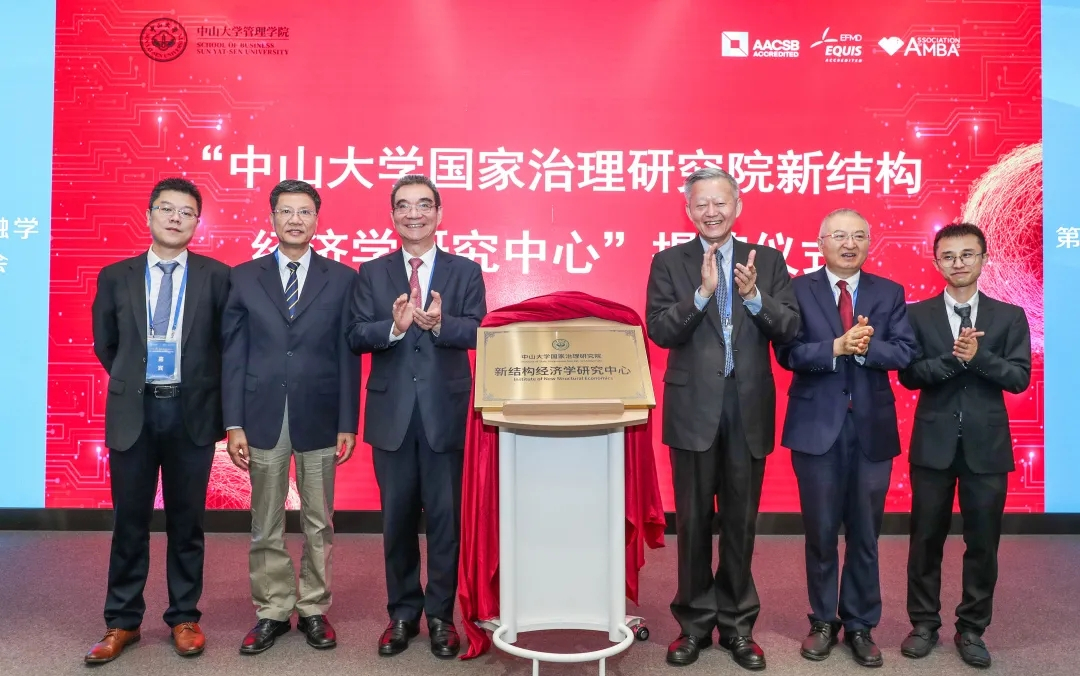
Professor Chen Chunsheng - Secretary of the Party Committee of Sun Yat-sen University, Professor Lin Yifu - Dean of the Institute of New Structural Economics, Peking University, Chen Jianhua - Former Director of the Standing Committee of the Guangzhou Municipal People’s Congress, Professor Li Shanmin - Vice President of Sun Yat-sen University, Professor Li Guangzhong - Director of the Department of Liberal Arts, Sun Yat-sen University, and Associate Professor Zhang Yilin - Executive Director of the New Structural Economics Research Center of the National Governance Institute, jointly inaugurated the New Structural Economics Research Center of the National Governance Institute, Sun Yat-sen University.
Professor Zhou Hao - Associate Dean of PBC School of Finance, Tsinghua University, Associate Professor Zhang Yilin - Executive Director of the New Structural Economics Research Center of the National Governance Institute, Sun Yat-sen University, and Professor Xu Jiajun - Associate Dean of the Institute of New Structural Economics, Peking University, delivered keynote speeches respectively.
On the afternoon of November 21st and the morning of 22nd, the conference papers were presented in groups. Scholars from Peking University, Fudan University, Sun Yat-sen University, South China University of Technology, Jinan University, Southwestern University of Finance and Economics, Huazhong University of Science and Technology, Shanghai University and other universities gave reports and comments and discussed on the theme papers. The content was rich and the discussions were wonderful.
On the afternoon of November 22nd, the third round of symposium on the textbook compilation of "New Structural Finance" was held. The meeting discussed the basic principles of "New Structural Finance", the optimal financial structure theory, and the relationship between the new structural finance and other sub-disciplines.